Meet the Cousins: A Chimpanzee Journey Itinerary
Day 1: Arrival in Entebbe (Kampala)
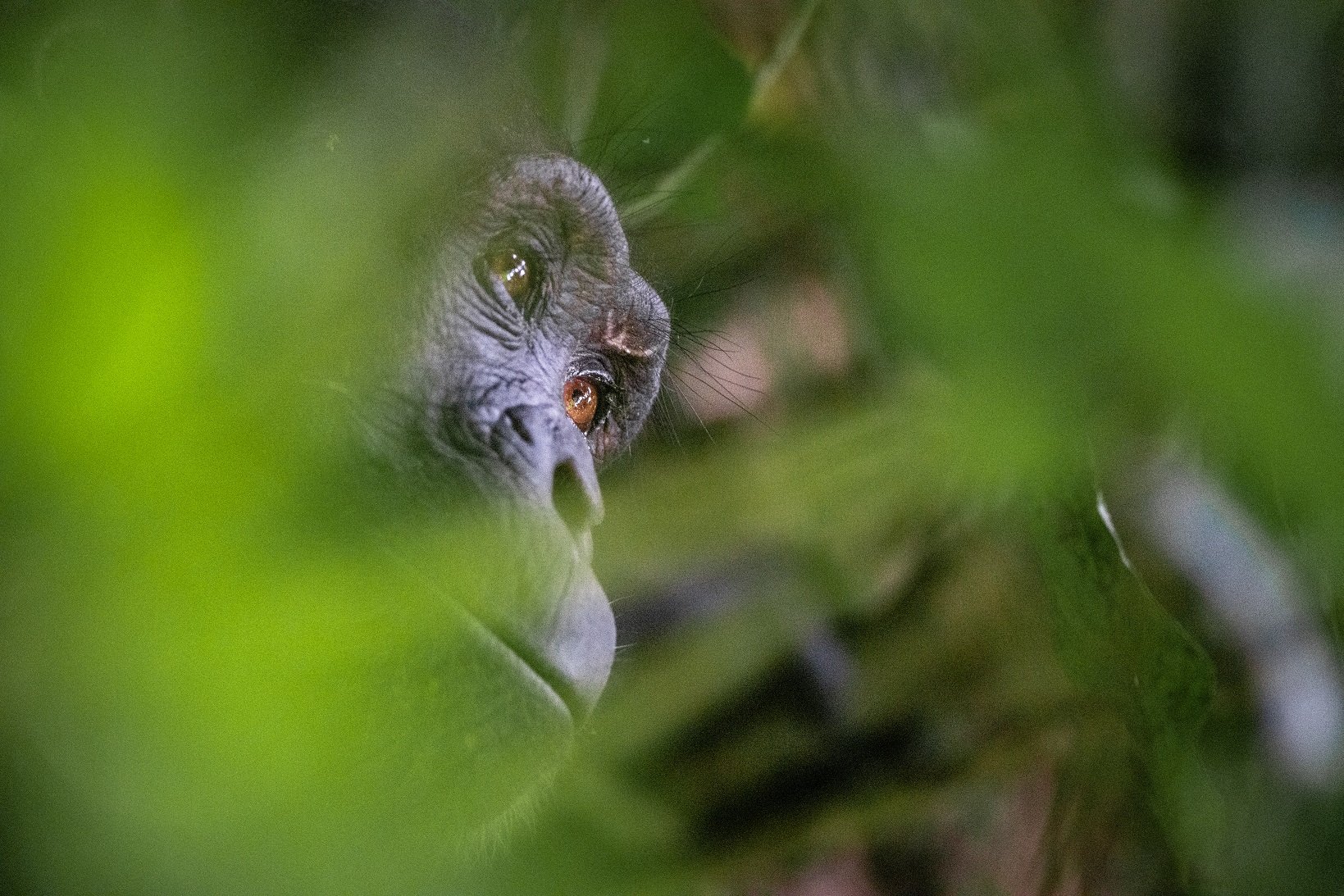
Most people arrive in Uganda early in the morning (often via Nairobi). Our schedule for today depends on your time of arrival and how tired you are after the journey. If you arrive on a morning flight then we collect you from the airport and take you to your boutique hotel in nearby Entebbe. We will leave you to rest and have lunch for a few hours. In the afternoon we can offer a choice of activities depending upon your wishes. The first option is a visit to the Uganda Wildlife Education Centre which is a centre for injured wildlife, animals rescued from the illegal pet trade and wildlife waiting to be rehabilitated to the wild. Our visit is a little deeper than that of most people because we enjoy an intensive two-hours behind the scenes tour where you will learn more about the centres work. Another option is a relaxing visit to the Entebbe Botanical Gardens which offers some excellent urban birding. A third option is the possibility of joining members of a local environmental NGO who have taken on the daunting task of cleaning Lake Victoria. You will join the volunteers cleaning rubbish on and around the lake. Note that this activity is often only possible at weekends. At the end of the day we return to the hotel for dinner.
Day 2: Budongo Forest & Murchison Falls National Park
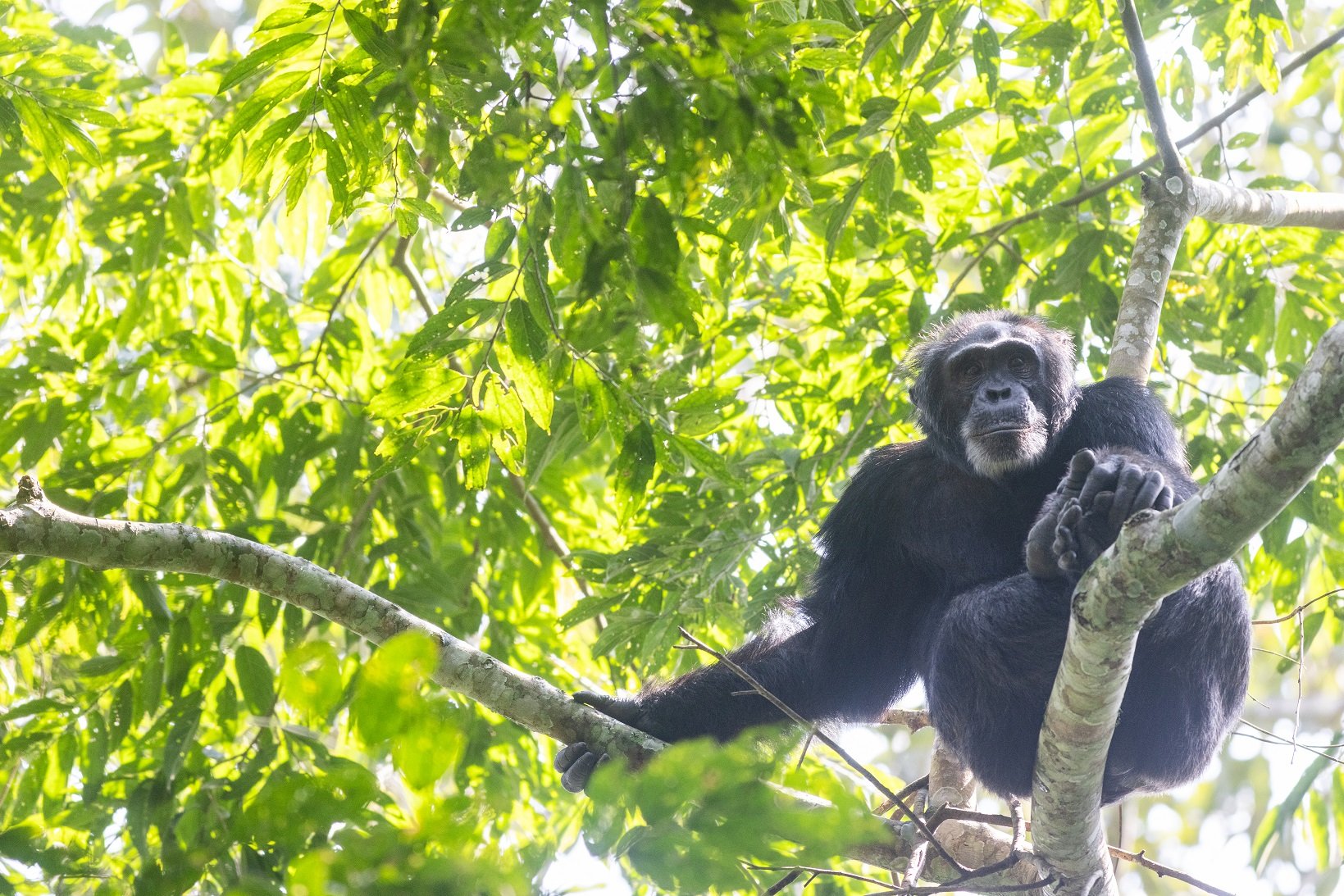
After an early breakfast we drive five hours northwest to the Budongo Forest on the edge of the impressive Murchison Falls National Park. We’ll have a quick lunch at the community-run forest café on arrival before heading out on foot deep into the forest in search of our first group of wild chimpanzees. The chimpanzees of Budongo forest are well habituated to humans and have long been studied by scientists. In recent years a number of remarkable scientific discoveries have been made concerning these chimps, including sick or injured chimps treating themselves with medicinal plants found in the forest. A more worrying observation is that the chimps here have started to eat bat guano which scientists worry might lead to disease outbreaks, such as new forms of Corona, that could jump to humans. Finding the chimps can take an hour or two and afterwards we get to spend one very special hour with the chimps (this is the standard amount of time the authorities allow visitors to spend with the chimps). At the end of the afternoon, we drive out of the forest area to our comfortable lodge on the banks of the Nile (this is about an hours drive but there’s plenty of wildlife to see along the way).
Day 3: Budongo Forest & Murchison Falls National Park
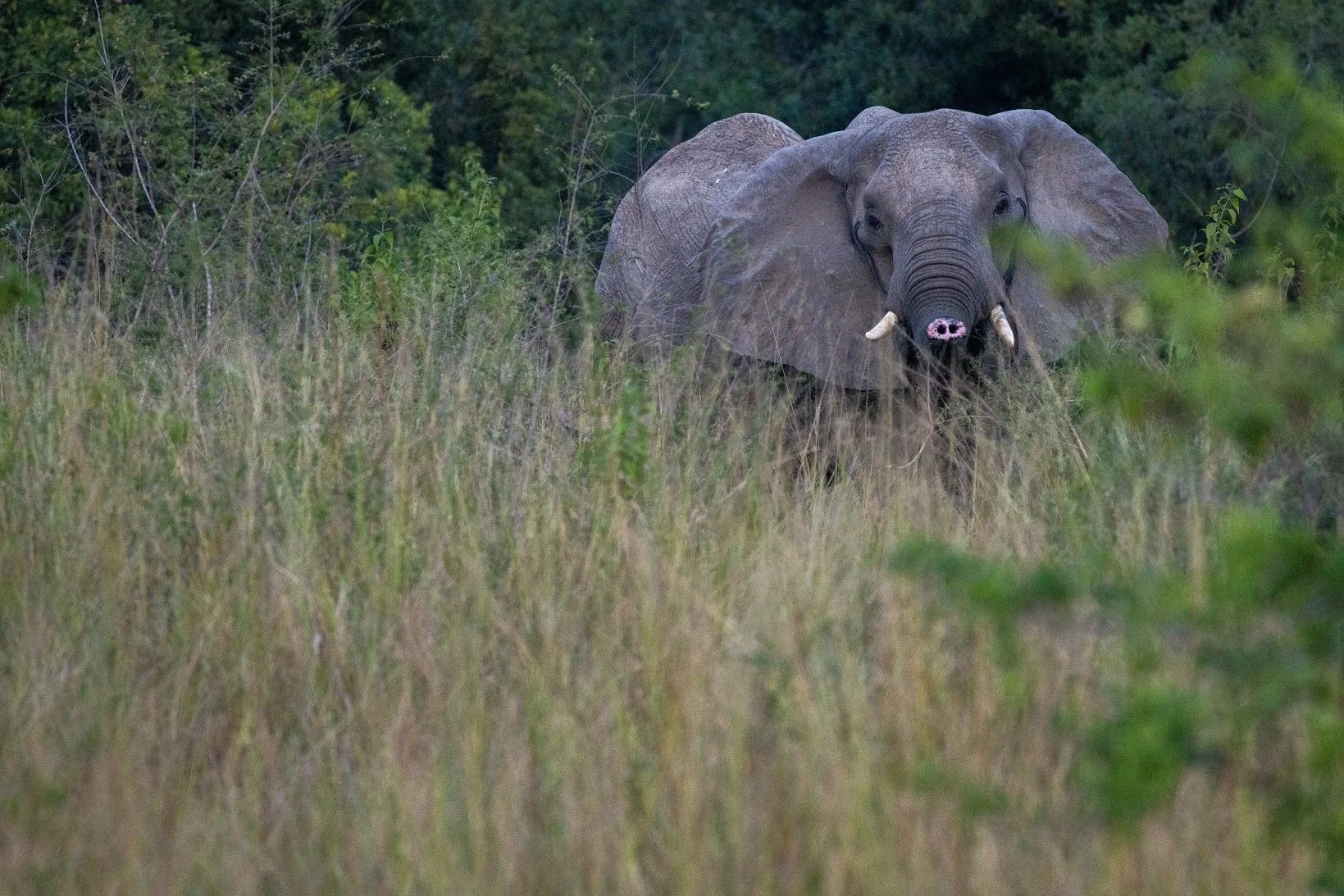
It’s an early start this morning as we drive back to the Budongo Forest for our second day with the chimps. While we only got to spend an hour with the chimps yesterday, today we get to do the habituation experience which gives us up to four hours with the chimpanzees and allows us a much more in-depth look at chimpanzee lifestyle. At the end of this unforgettable morning we will have lunch at the community-run café and then spend the afternoon exploring the savannah grasslands of Murchison Falls National Park. In the space of less than an hour you will go from rainforest and chimpanzees to observing elephant, buffalo and various antelope in the grasslands. If we are lucky, we may even get to see some of the parks elusive lions. There’s also the option of visiting the spectacular Murchison Falls, which is one of the most powerful waterfalls in Africa and has been described as the most spectacular thing to happen along the entire length of the Nile. In the evening we return to our safari lodge for dinner.
Day 4: Murchison Falls National Park & Bugoma Forest
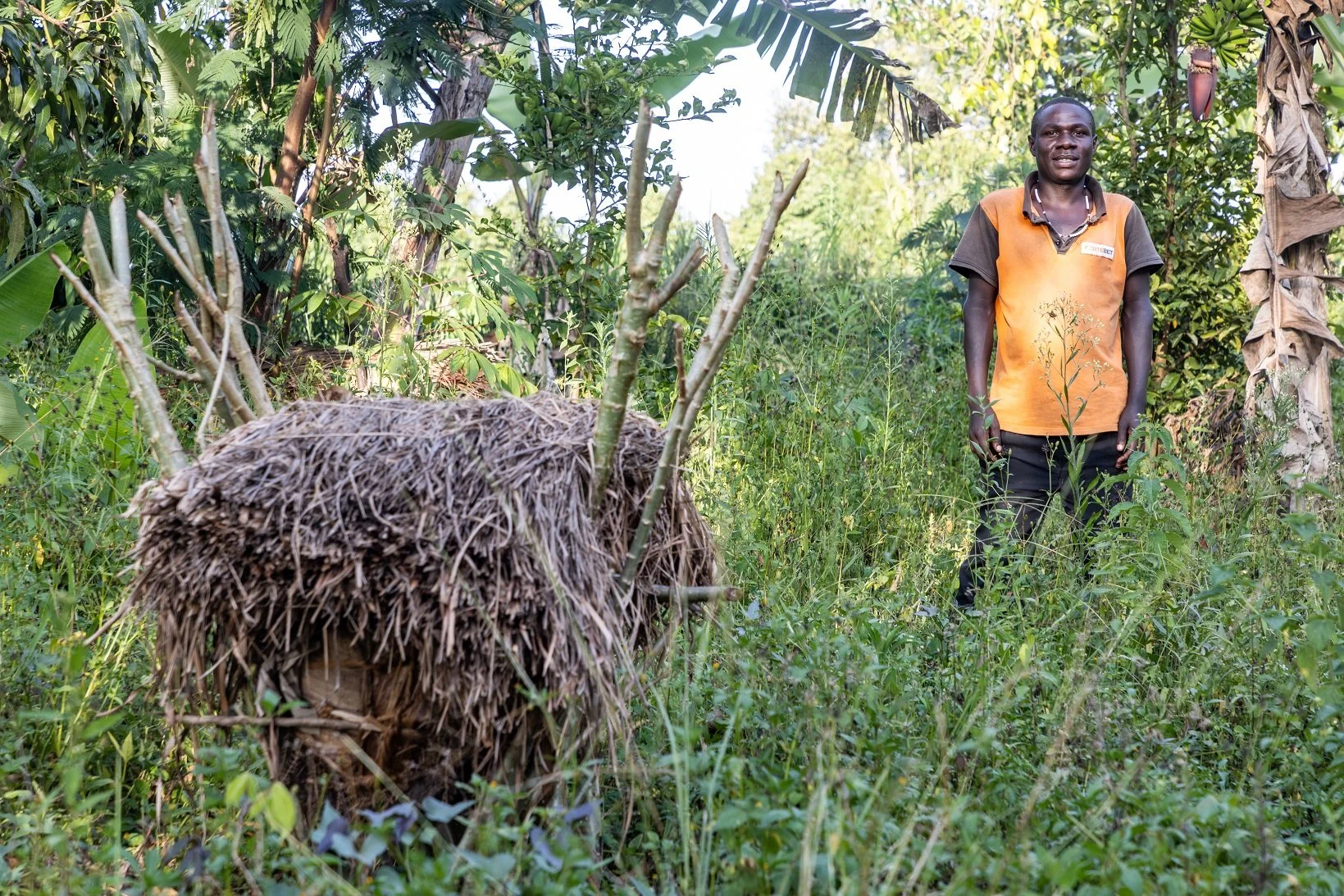
This morning we gain a different perspective on Murchison Falls National Park by taking a boat ride along the Nile. Animals we are likely to see include hippos and elephants as well as a huge array of spectacular bird life. Afterwards, we do a slow safari drive out of Murchison Falls National Park and then head south for three hours to the little known Bugoma Forest and our beautiful eco-lodge. Bugoma forest offers one of the most interesting conservation stories in Uganda. Little visited by tourists, the forest is under enormous pressure from large agricultural businesses and illegal charcoal burning and is quickly becoming fragmented, which is leaving the chimp groups here in great danger. There’s only one lodge in the vicinity of the forest and the management here have set up an association – Friends of Bugoma Forest – who are fighting to save the forest and its chimps. It’s a hard battle they have taken on and, in their own words, “tourism might be the only thing that can save this forest and the chimpanzees”. On arrival we will visit the reforestation projects run by the association and lodge and learn about the uphill battle they face.
Day 5: Bugoma Forest
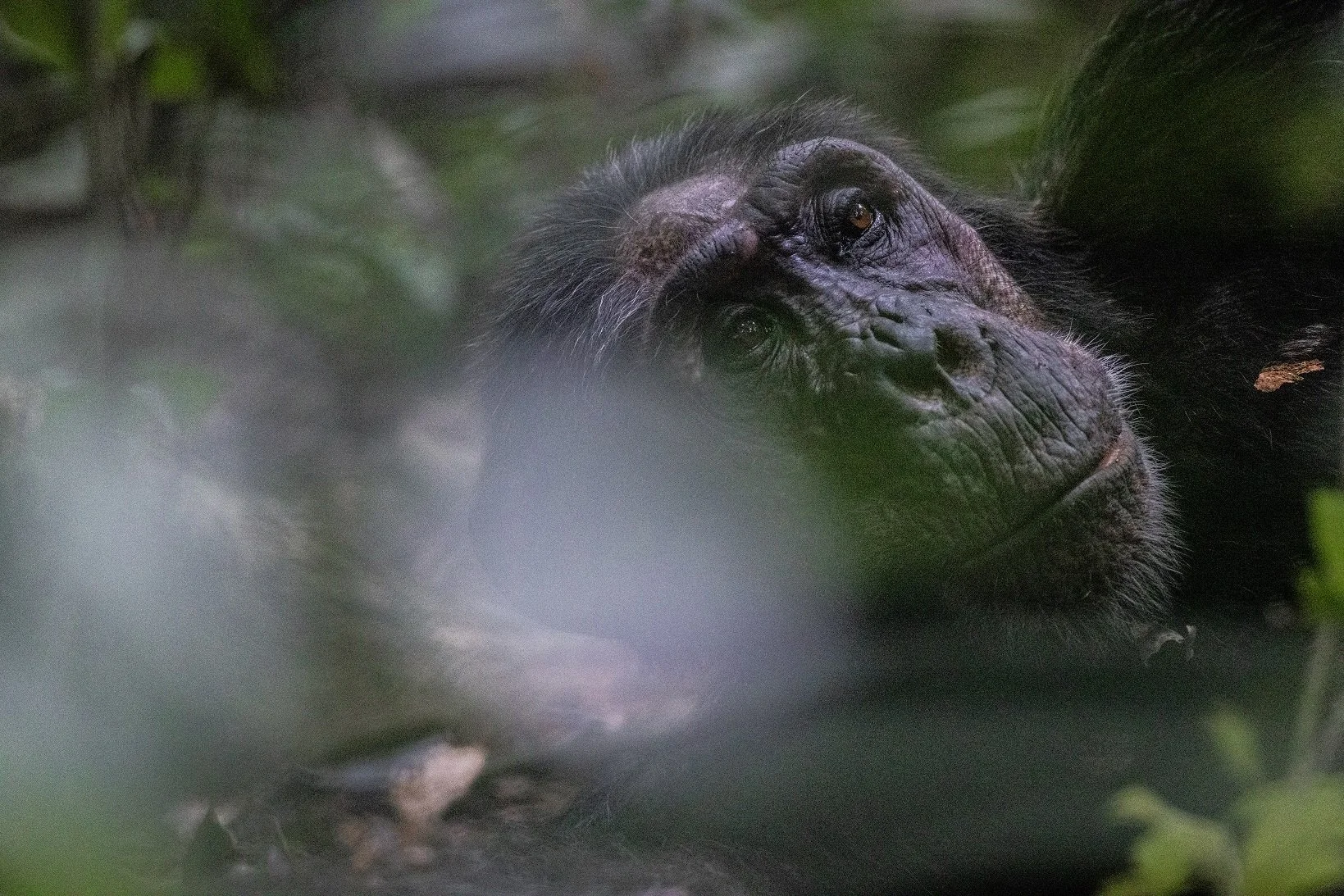
This morning we set out on another chimpanzee habituation experience. Although few tourists come to see the chimps here they are well habituated and during our four hours in the forest we are likely to be rewarded with thrilling up close encounters. Be warned though that the forest here can be quite dense and, in our experience, the walking here is harder than in any of the other Ugandan chimpanzee forests.
In the afternoon we can choose between visiting the local communities to see how the association is encouraging honey production as an alternative income to charcoal burning or we can go and look for a different kind of primate during a mangabey trek. This is the only place in the world where habituated mangabey monkeys can be easily seen.
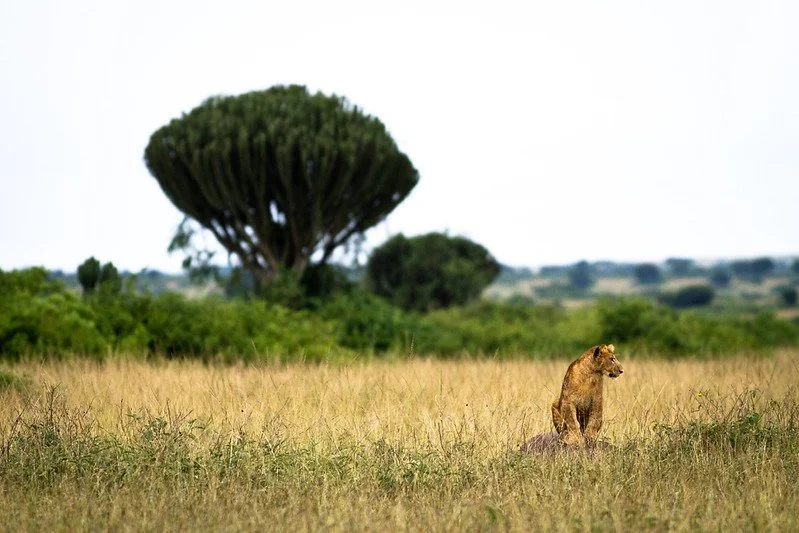
Day 6: Queen Elizabeth National Park
After breakfast we have a long (6hrs) drive south to Queen Elizabeth National Park. We will stop for lunch on the way in the busy town of Fort Portal. Arriving at the national park around mid-afternoon, we head out on a boat safari along the Kazinga Channel. There’s often great wildlife-watching along the edges of the river and we are likely to see elephant, hippos and crocodiles in abundance as well as a plethora of bird life. Afterwards we head to our comfortable safari lodge for dinner.
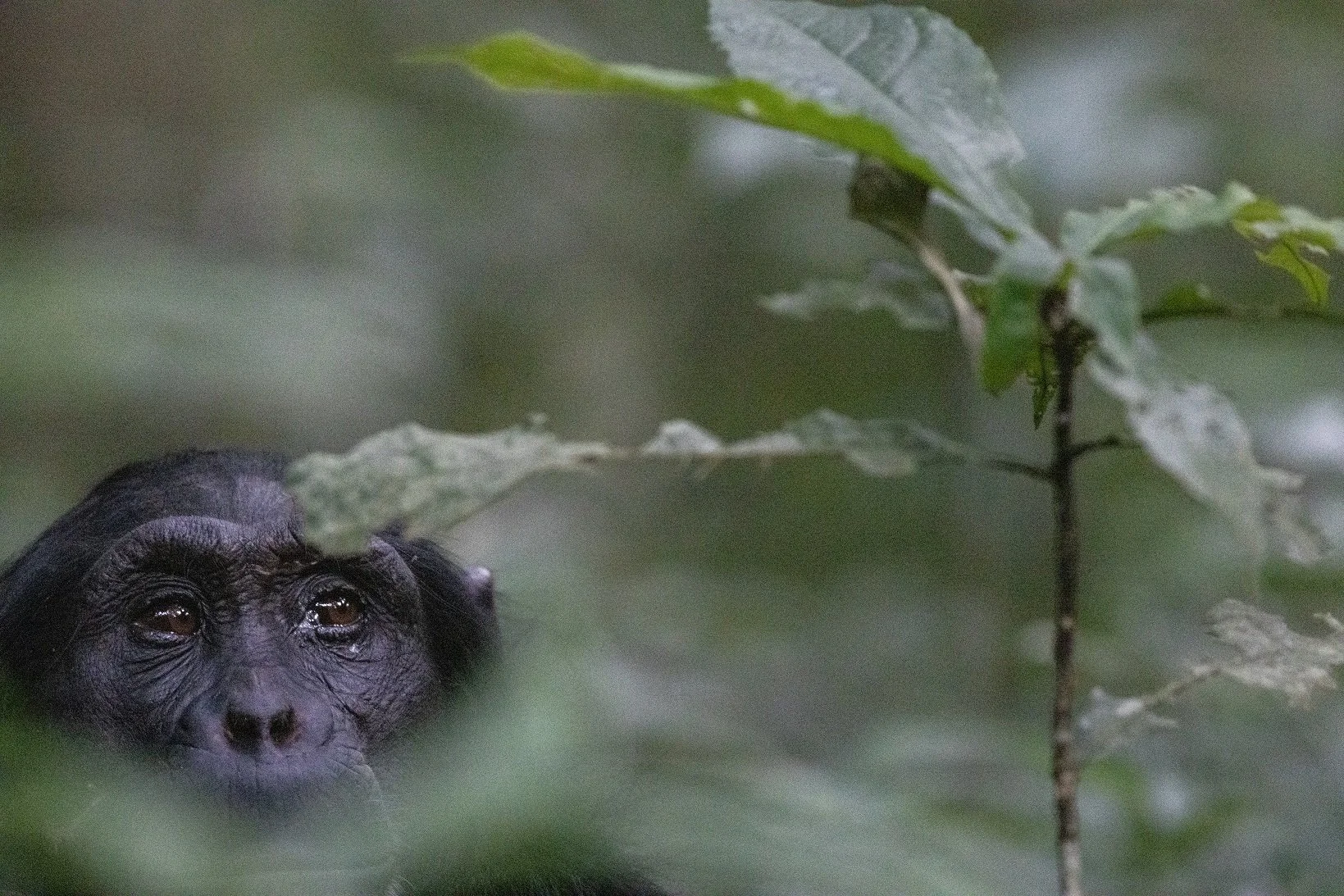
Day 7: Queen Elizabeth National Park
This morning, we go on a vehicle safari around the beautiful grasslands of the park. We have a good chance of seeing lions as well as large herds of various antelope and numerous elephants. After lunch we head to the Kyambura Gorge. A natural gash through the heart of Queen Elizabeth National Park, the gorge contains dense forest where a group of habituated chimpanzees live in total isolation from all Uganda’s other chimps. We set off through the forest on foot and, once we find the chimps, get to spend one hour with them. They are well habituated, and this is normally a very rewarding to see the chimps. We return to our comfortable safari lodge for the night.
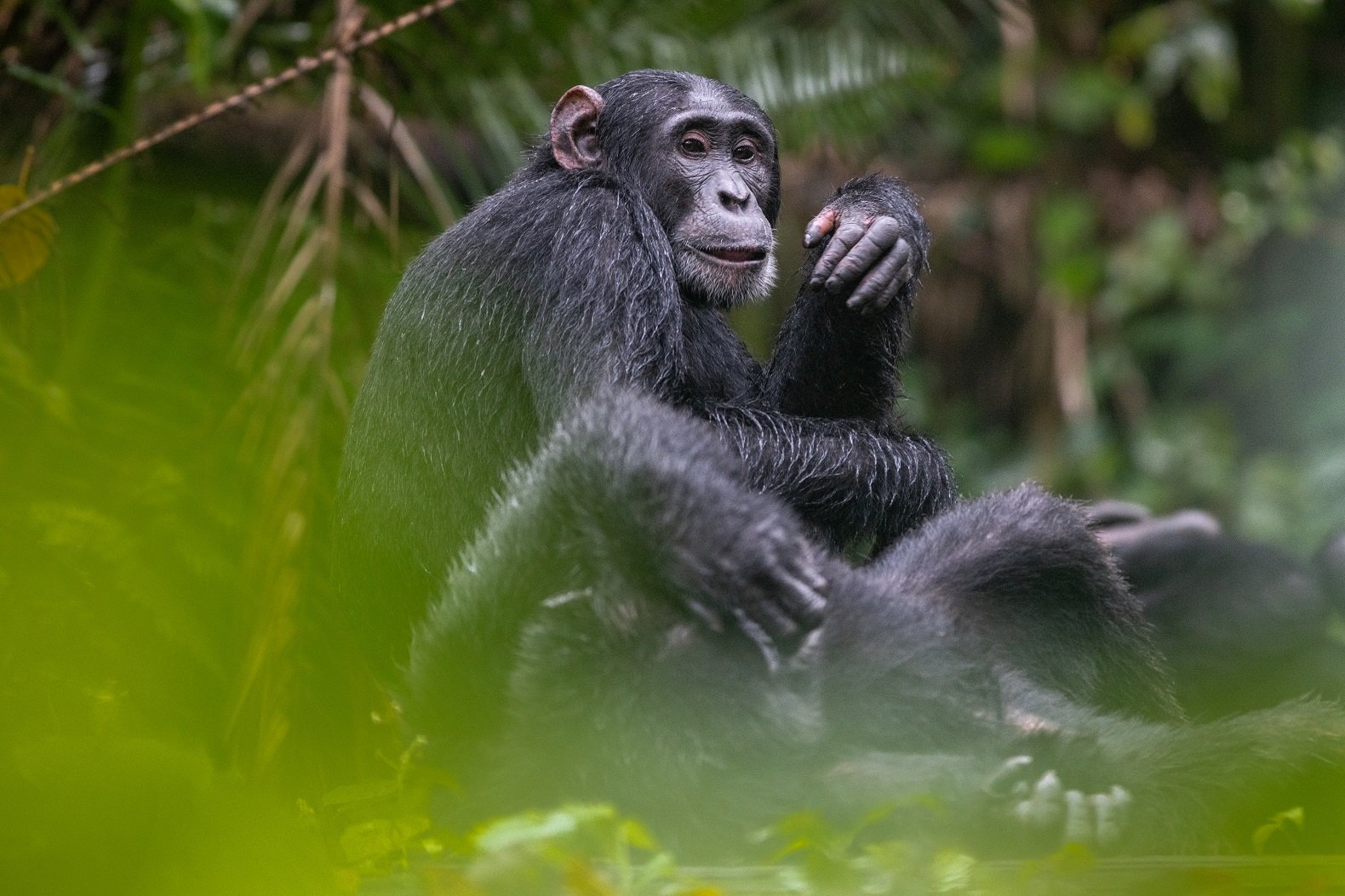
Day 8: Kibale Forest National Park
Kibale forest is by far the best-known, and best regarded, place in Uganda to see chimpanzees. The chimps here are extremely well habituated to people and the forest floor is open, both of which help to make viewings here exceptionally good. We leave Queen Elizabeth early and do a short safari on the way out of the park. It’s then around a 2.5-3hr drive to Kibale Forest. We will get there in time for the afternoon chimpanzee trekking. The chimps are normally very easy to find, and we get one hour in their company. Afterwards we head to our comfortable lodge for the night.
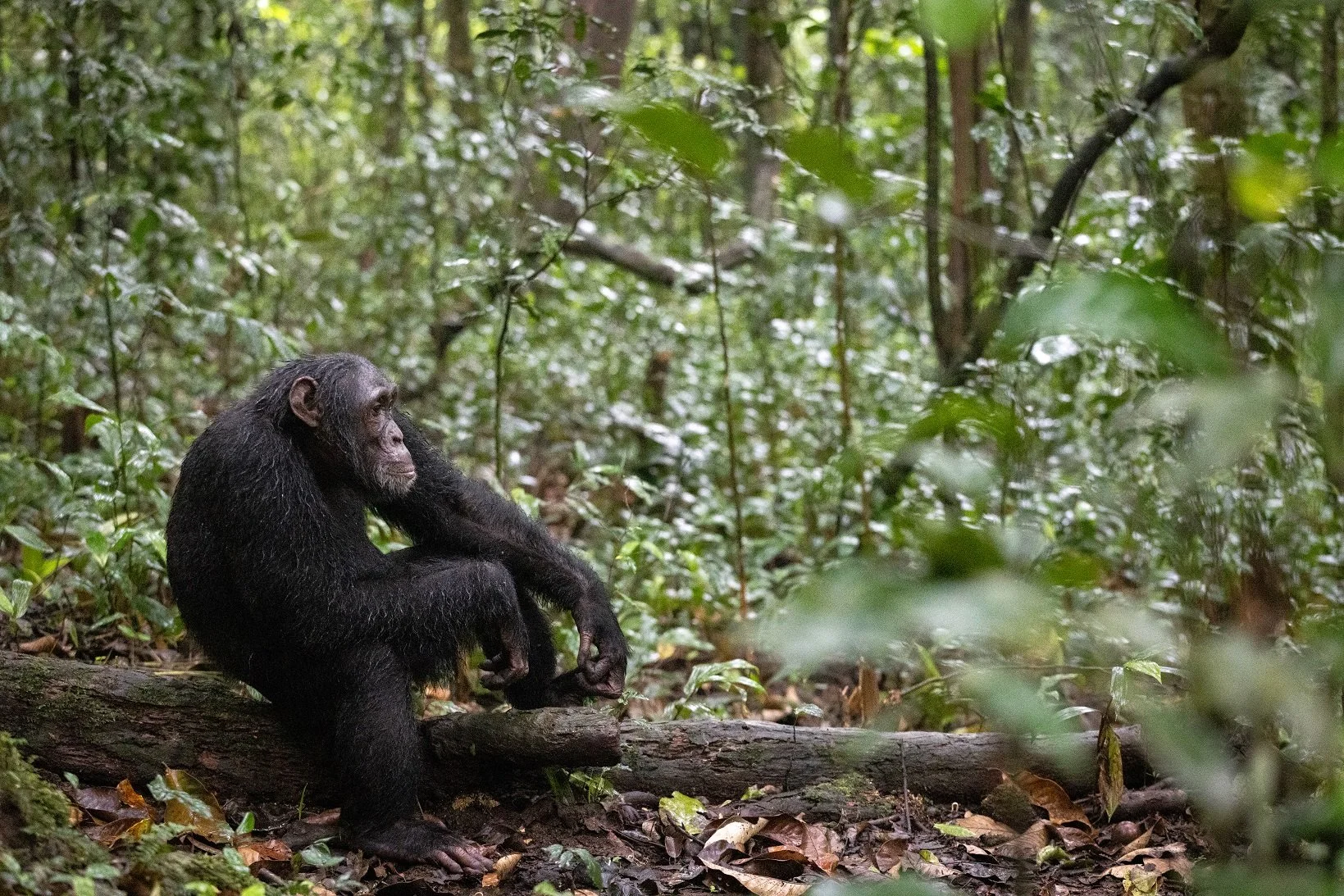
Day 9: Kibale Forest National Park
This morning, we must be up before dawn in order to spend an entire morning with the chimpanzees on a habituation experience. The group of chimps we will be visiting today are in the process of being habituated but we will still normally get close views, and we are often the only people with the chimps. It can take time to find the chimps, but afterwards we get four hours with them which ensures that your last day with the chimps will be one to remember. After lunch we head out on a different kind of wildlife experience by joining researchers surveying the butterflies and other insects of the forest. During this unique experience, which isn’t offered by other tour companies, we will be inspecting insect and butterfly traps (they are not harmed) and marking down species numbers and location. Many of the researchers involved in this also work on bird surveys so there will be plenty of chances to enjoy the parks often overlooked bird life.
Day 10: Bigodi Wetlands. Return to Entebbe
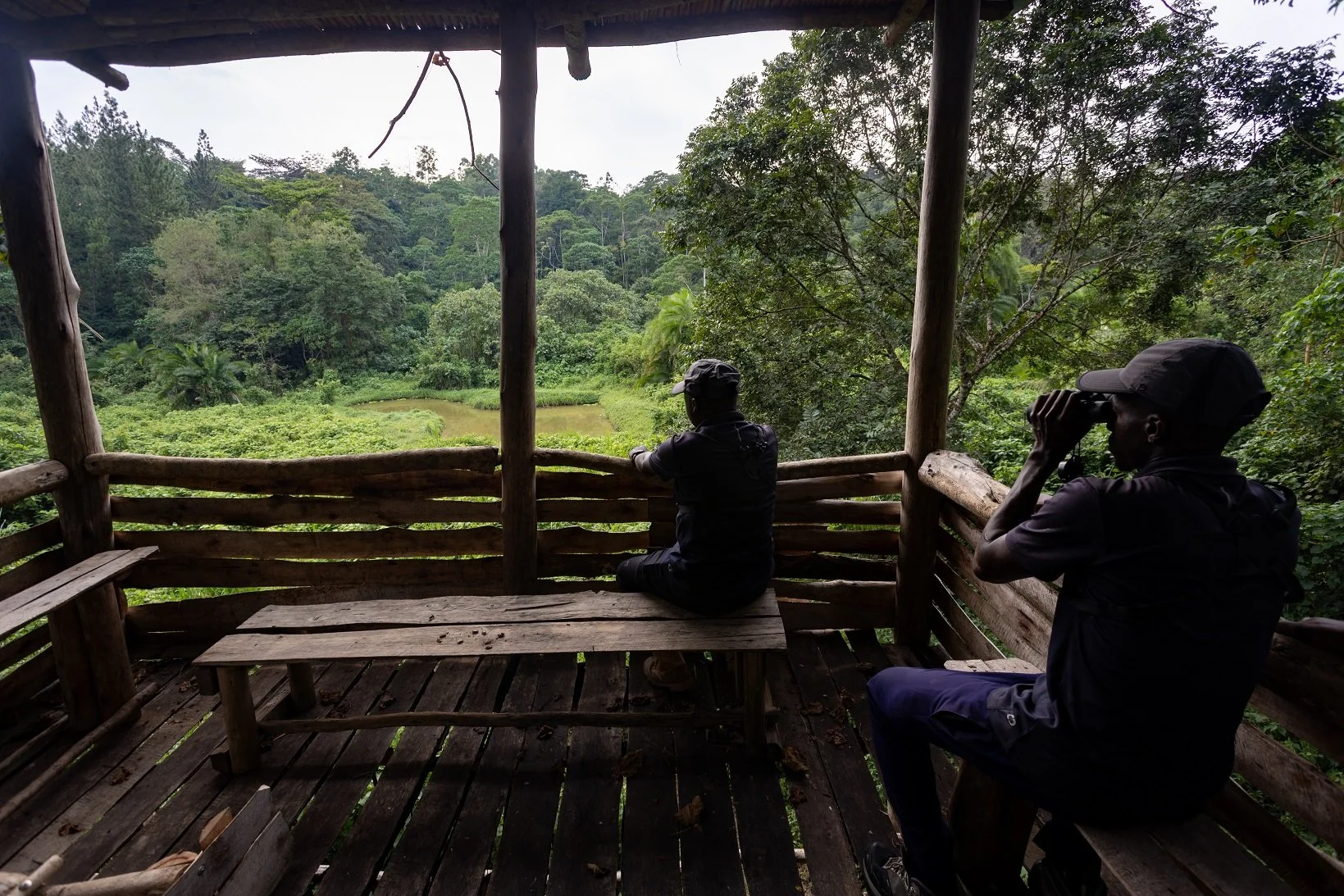
This morning, we visit the community managed Bigodi Wetlands, which is a beautiful area of swamp with a boardwalk running around it. There’s great birdwatching on offer and the swamp offers a good opportunity to see the great blue turaco, an extraordinary, prehistoric-looking turquoise-blue bird. Afterwards we return to Entebbe (7hrs). We will arrive at our comfortable boutique guesthouse in the early evening.
Day 11: Fly Home
Most flights out of Entebbe leave in the morning and so we will get you to the airport two hours before your scheduled flight departure. If you don’t leave until later in the day we can make arrange activities for you to do during the day. The safari ends when we drop you at the airport.