The Heartland: Central Bhutan Itinerary

Day 1: Arrive in Paro
Most flights into Paro International Airport arrive in the morning. You will be met at the airport by your local guide and driver and taken to your hotel for lunch and a short rest.
In the afternoon we will visit the spectacular, riverside Paro Rinpung Dzong, which means the fortress on heap of a jewels. Built by Zhabdrung Ngawang Namgyel in 1646 it’s one of the most spectacular dzongs in the country and a brilliant opening to your Bhutan adventure. If you’re not too tired then after the dzong we will head to the 17th Century Taa Dzong (watch tower) which today contains the superb national museum.
Day 2: Bumthang Valleys
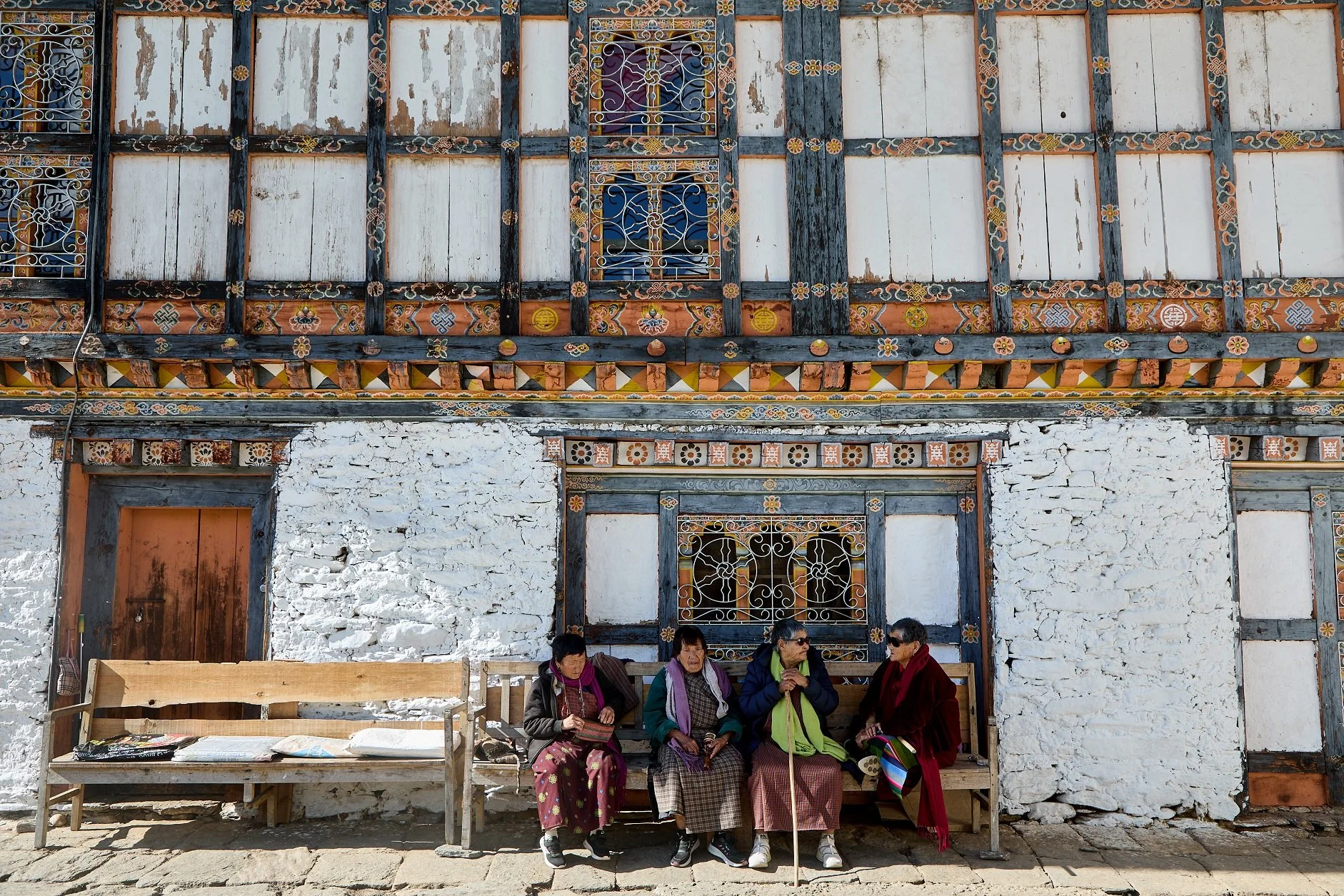
We take a short (one hour), early morning flight from Paro to Jakar, the main town of the Bumthang Valleys in the highlands of central Bhutan. The remainder of the day is given over to exploring the western side of the Chokhor Valley. This is the most important of the Bumthang Valleys. All along its length are hugely important, historic monasteries, chapels and temples. There can be few other places in the Himalaya with such a concentration of art, culture, history and spirituality. Highlights of the valley include the fabulous Jampey Lhakhang. Dating back to the 7th century, this is the oldest temple in the country and one of the few in Bhutan with a constant buzz of activity as pilgrims, thumbing prayer beads, pace endless clockwise circles around the perimeter of the main temple. We will then walk the short flat trail to the Kurjey Lhakhang, which is one of the most religiously significant sites in Bhutan. The temple is built on the spot where Guru Rinpoche defeated a demon, restored a kings lifeblood and established Buddhism in Bhutan. Needless to say, the large temple complex is a stunning architectural achievement that also attracts many pilgrims. After learning more about the significance of the site we will walk the short pilgrim route to a source of Holy water.
These are the two most important temples on the western side of the valley but there are many others and, depending on how much time we have left before nightfall we will explore a few of these other temples. All come with their own sense of wonder.
Day 3: Bumthang Valleys
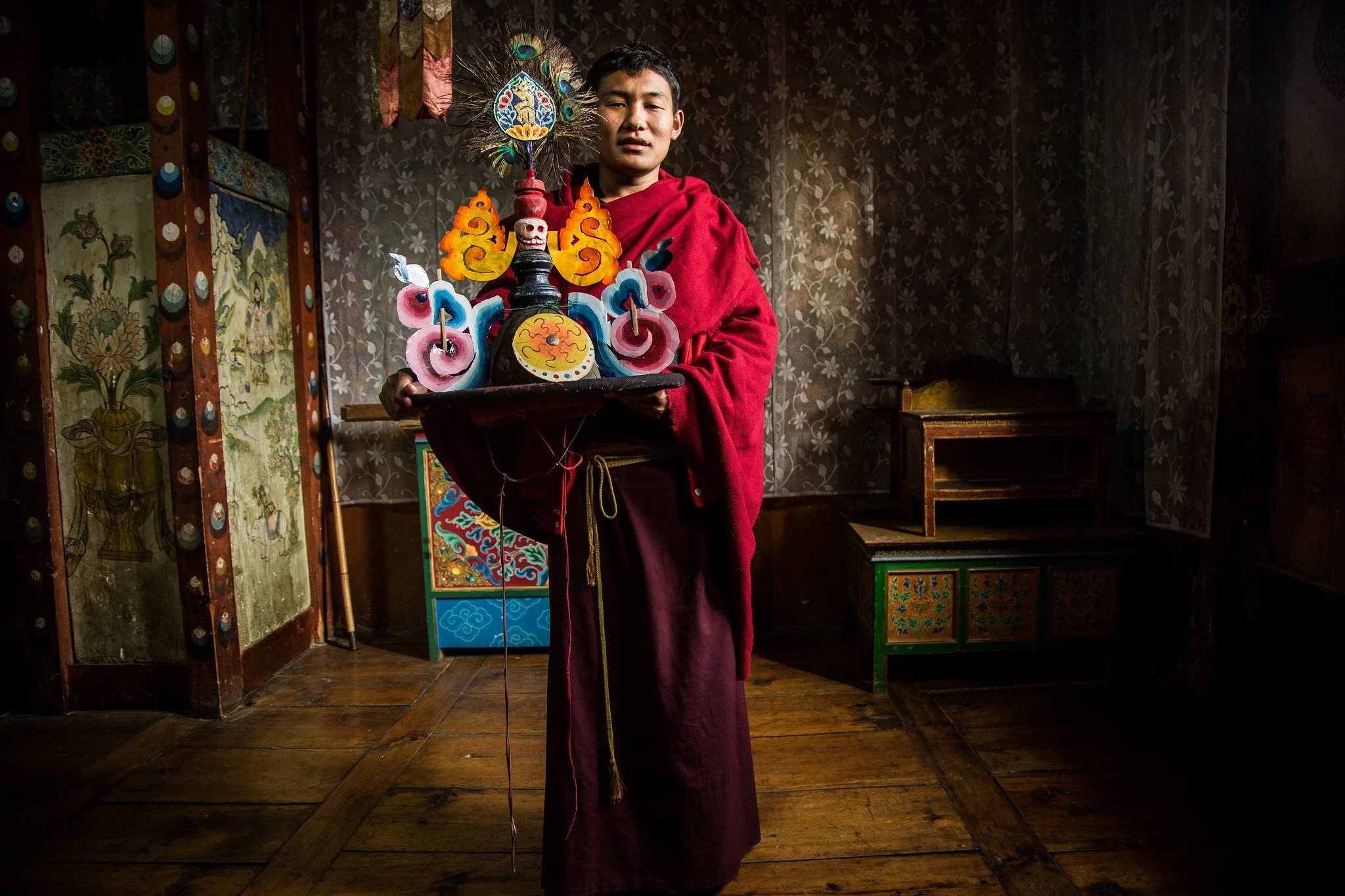
Today we drive a short way up the eastern side of the Chokhor Valley before enjoying a gentle half-day hike through conifer forest to the remote Ngang Lhakhang, a small 15th century temple It's a wildly atmospheric, soot-stained and genuinely ancient feeling lhakhang. If time allows we will explore some of the other little visited temples around here before driving back down the valley to visit some of the superb monasteries and temples on the east side of the river. Highlights include the 16th Century Tamshing Goemba. The interior is a dark, gloomy cave-like place covered in very faded wall murals. There are also many small statues within the goemba which are said to have all been built in one night by a group of dakini (female spirits with a volatile temperament). Another important temple we will visit is the Konchogsum Lhakhang. Although it was originally built in the 8th Century, most of the Lhakhang was rebuilt after a fire in 2010 destroyed much of the original structure. Even so, this large temple is filled with colour and it remains one of the most important temples in the valley.
We will overnight in a comfortable hotel (option of upgrading to boutique luxury lodge).
Day 4: Tang Valley
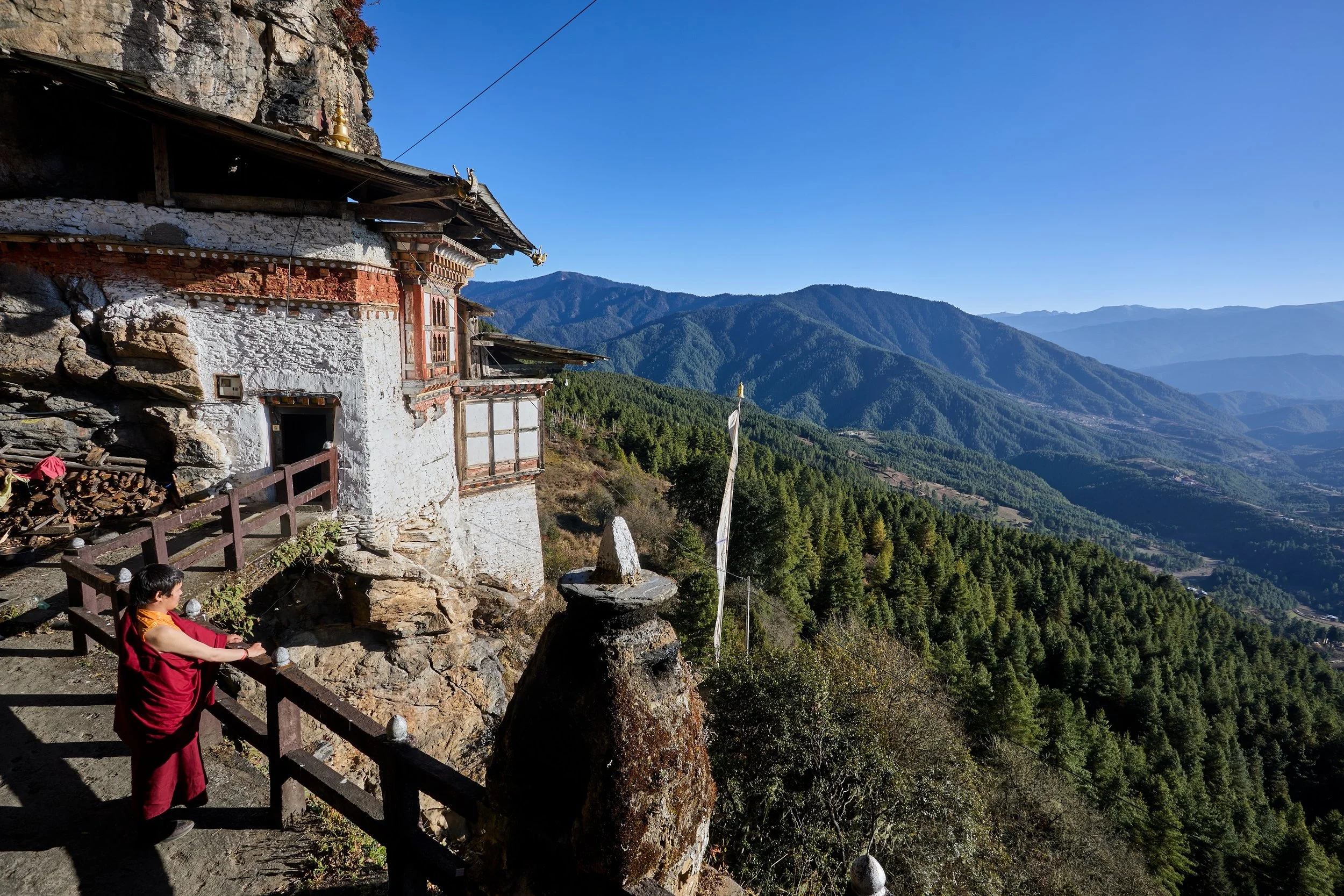
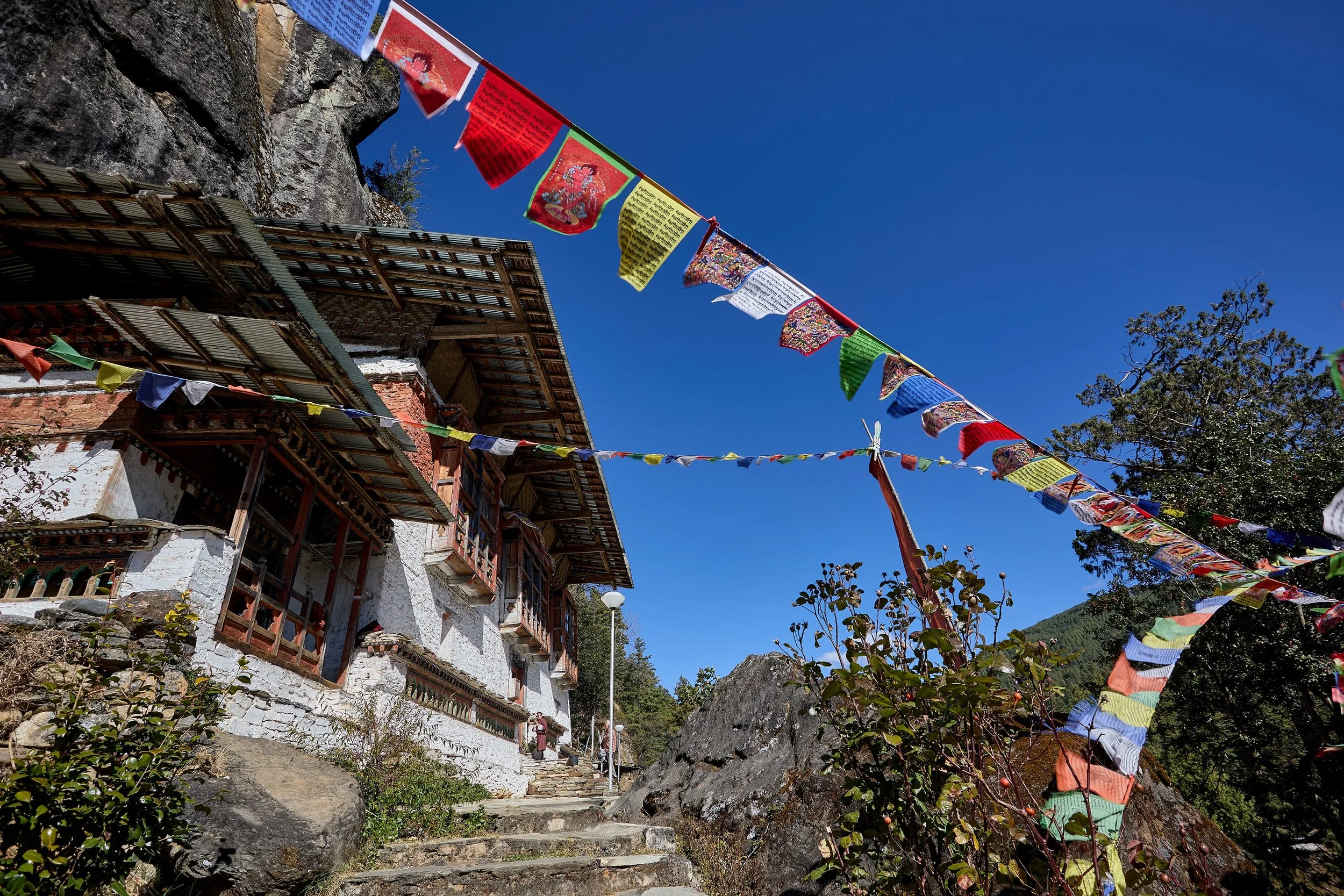
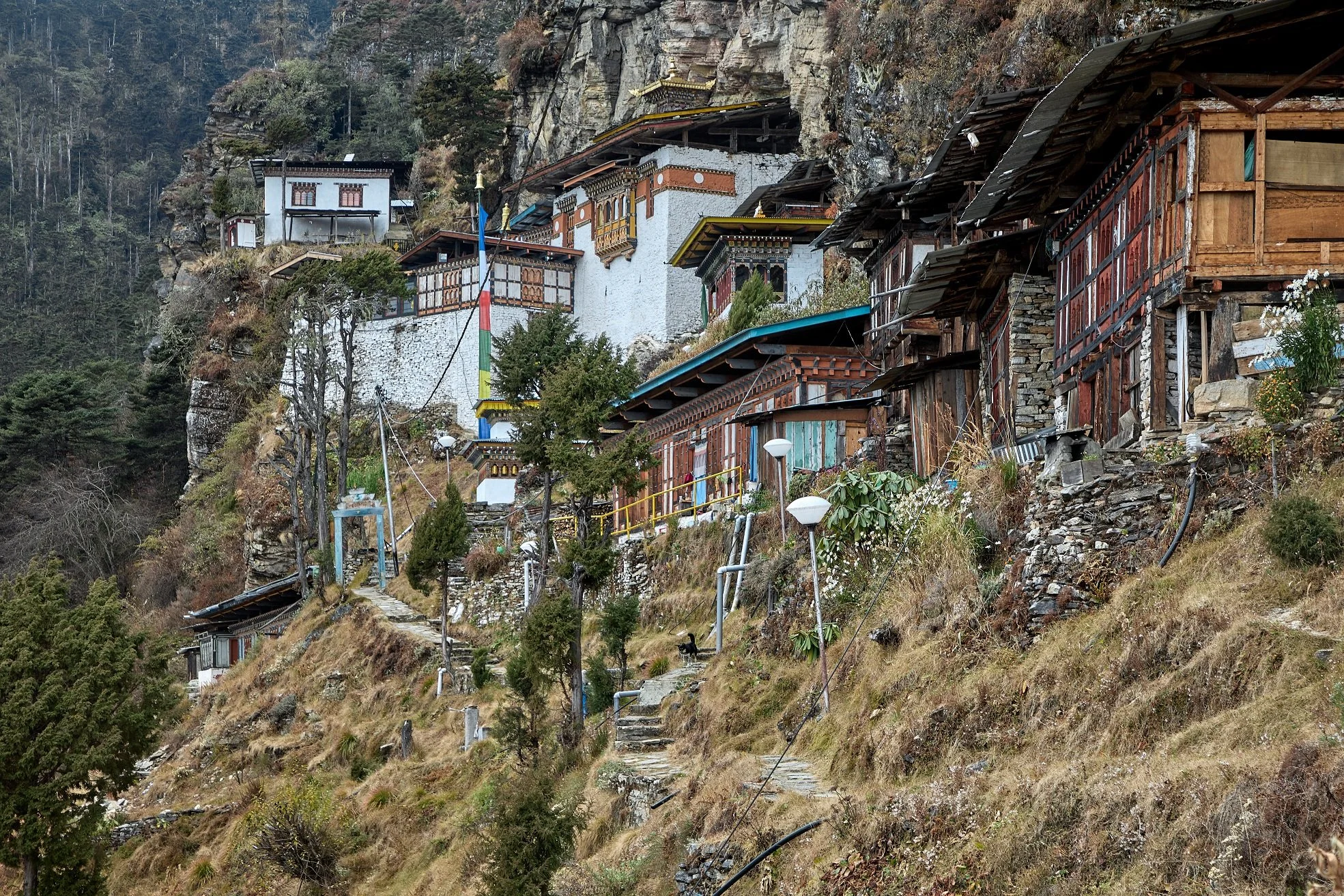
We start the day by taking the winding mountain road up to the rarely visited Pelseling Goemba which sits nine hundred vertical metres above the eastern valley floor. From here we enjoy a wonderful half day hike up and over the ridge and down into the quiet, neighbouring Tang Valley to the tiny cliffside Kunzangdrak Goemba. Home to just two or three monks, who spend long periods of time deep in meditation, this goemba offers wonderful views out over the Tang Valley and, in our opinion, is one of the most magical places in Bhutan. We meet our vehicle back on the road through the Tang Valley and drive through ever wilder countryside to the 16th Century Ogyen Chholing Manor House where we will be staying the night. Still in the hands of the same noble family who built it all those centuries ago, the current lady of the house is an accomplished Bhutanese author, historian and folktale collector and if we are lucky we will get to meet her.
Day 5: Tang Valley
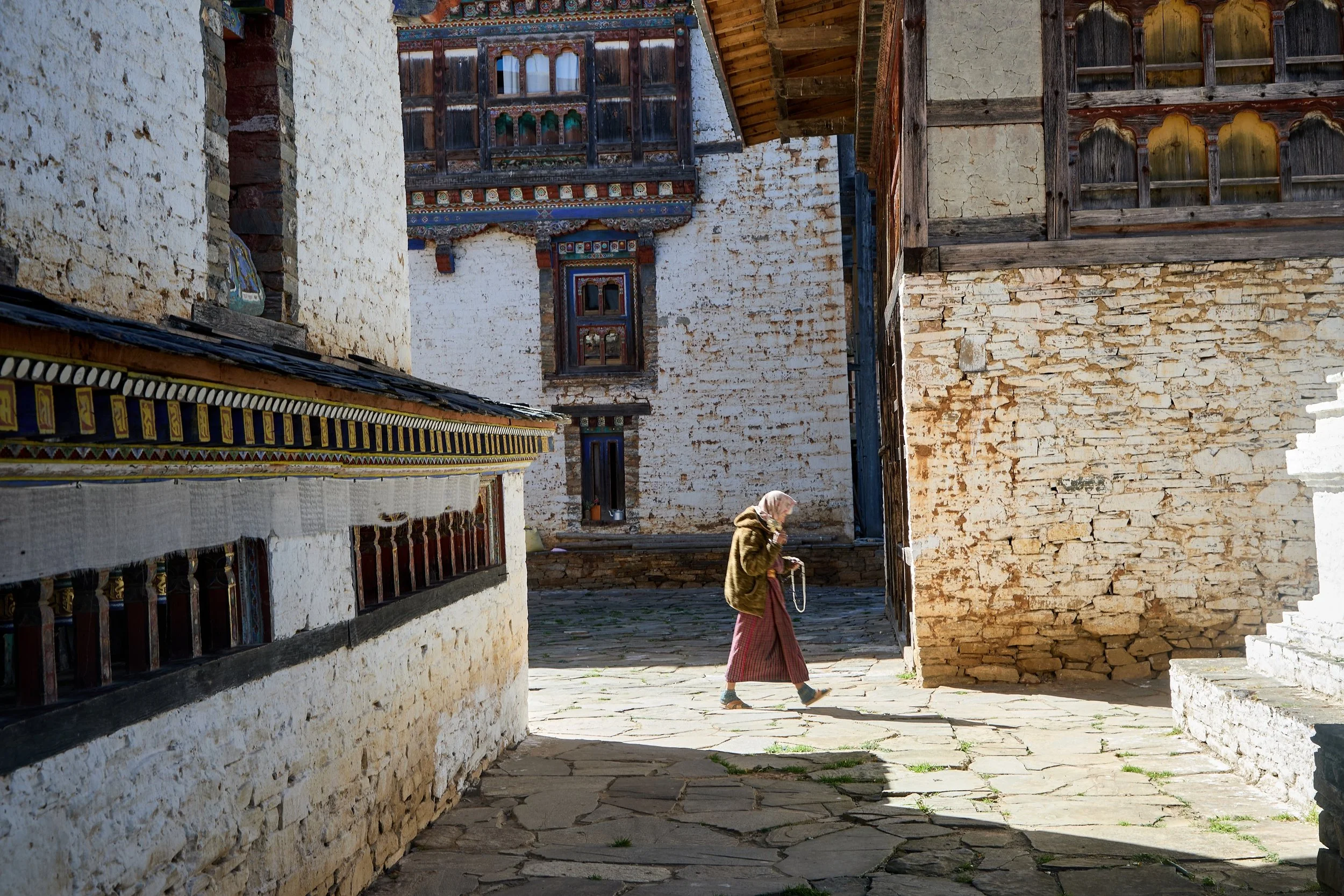
We set out early today for a six hour return hike (we can also drive part of the way if you prefer a shorter hike) to the spectacular Thowadrak Hermitage which clings to a cliff face way up towards the northern head of the valley. There are many meditation caves (although we might be able to see some from a distance it’s normally not possible to visit) in the area where monks can spend years on end in solitary meditation. Also hidden away up here is the rumoured gateway to a beyul, or a secret Buddhist paradise land. The gateway is said to only appear to those with a spirituality pure heart and at a time when the world is under great stress. If time allows then after we return to the Ogyen Chholing Manor House, where we will again spend the night, we will admire the treasures contained within the in-house museum. The collection was gathered by the family hosting us.
Day 6: Trongsa
Leaving the Tang Valley by road we will stop towards the southern end of the valley at the Rimochen Lhakhang where the handprints of Guru Rinpoche can be seen in the cliff face as well as a rock bathing tub he was supposed to have used. Moving a little further down the valley we come to the so-called Burning Lake (actually a river pool) where the treasure seeker Pema Lingpa saw an underwater temple. Diving down to it, a one-eyed woman handed him a chest of religious treasure.
We then drive west for three hours to the town of Trongsa which is set along a spectacular high ridge. We will visit the impressive Tower of Trongsa Royal Heritage Museum in the afternoon. It’s one of the best museums in the country. We spend the night in a comfortable guesthouse on the edge of the town.
Day 7: Phobjikha Valley
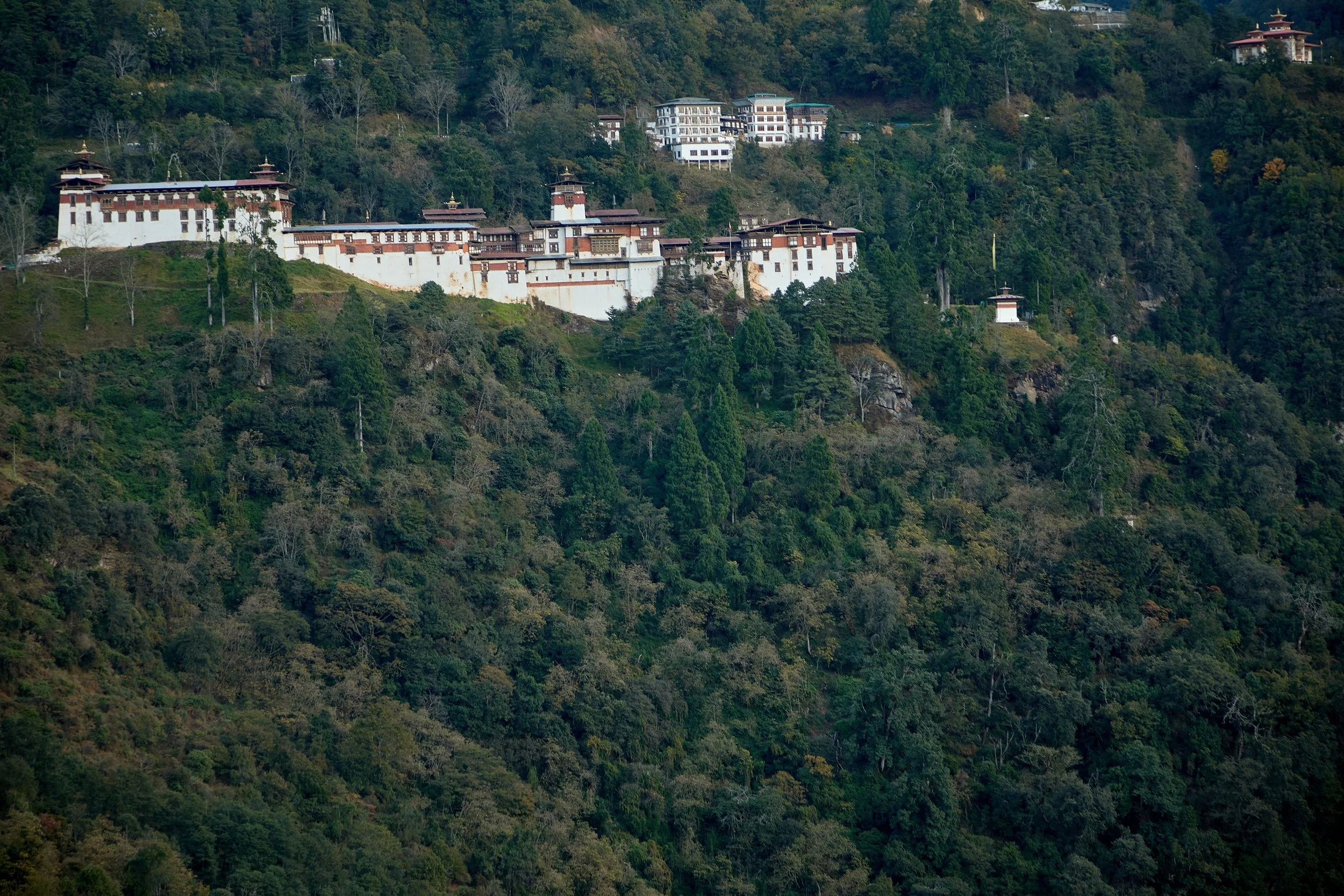
Before leaving Trongsa, we will spend some time exploring the superb dzong. Not just is this one of the most physically impressive dzongs in the country but, as the place where the Bhutanese royal line began, it’s also one of the most impressive. We then drive a couple of hours west to the beautiful, wide open, alpine landscapes of the Phobjikha Valley. During the winter months, the valley plays host to large numbers of rare, black-necked cranes which migrate down from the Tibetan plateau. There is a black-necked crane information centre which we will visit and, if there’s enough daylight left (if not this activity will be done the following morning) then we will set out in search of some of these large, elegant birds. We will overnight in a comfortable guesthouse (option of upgrading to boutique luxury lodge).
Day 8: Phobjikha Valley
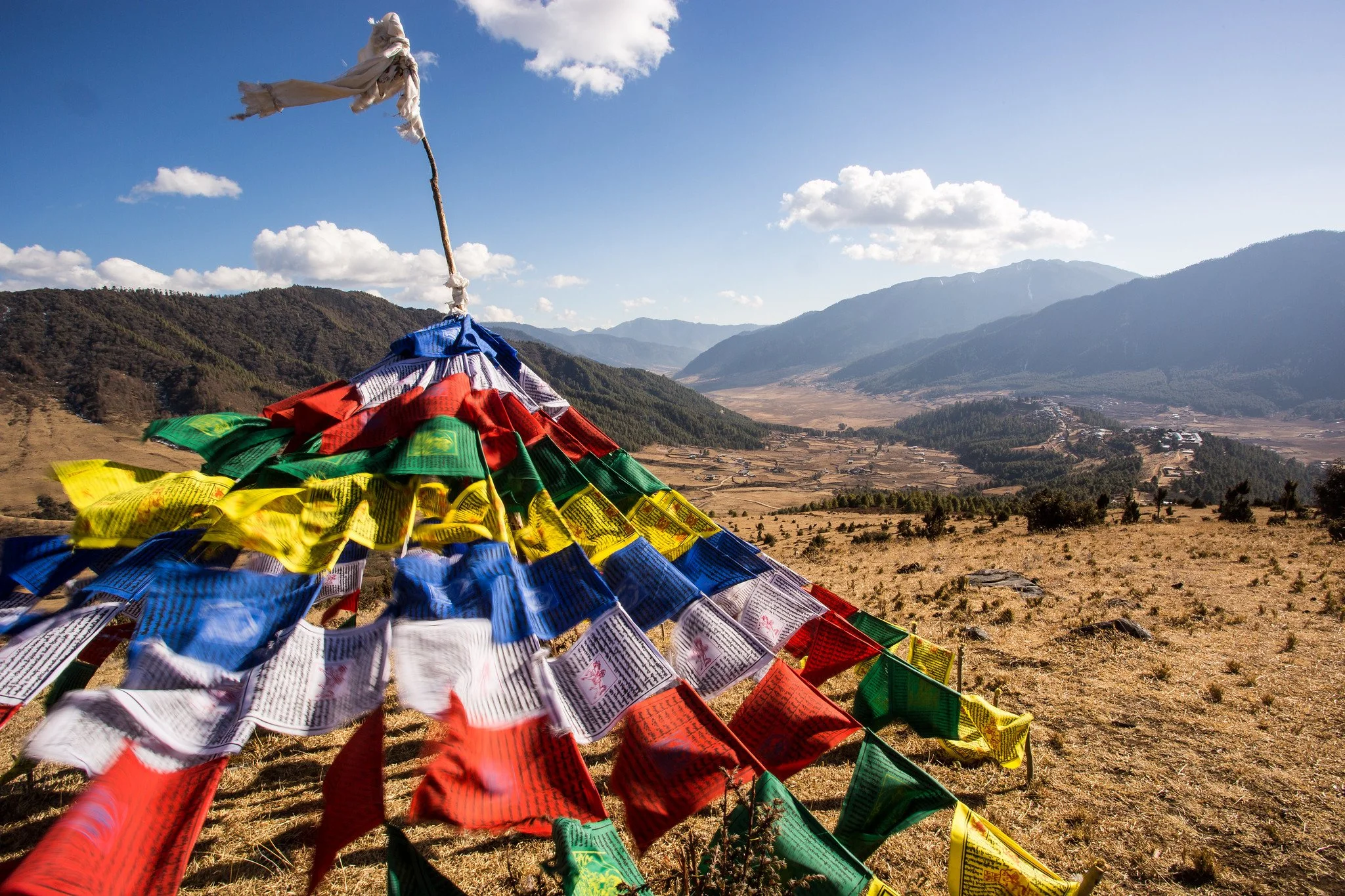
We spend a full day in the delightful Phobjikha Valley enjoying a long, but easy circular hike around the fringe of the valley. Along the way we will visit some of the various monasteries and chapels that dot the valley floor and – in winter – enjoy sightings of the black-necked cranes. The day finishes at the impressive Gangtey Goemba, which was built in the 1600’s (although it has been much restored since). With a large number of monks residing here, it’s one of the more important monasteries in the country. At the end of the day we will return to our comfortable guesthouse (option of upgrading to boutique luxury lodge).
Day 9: Punakha
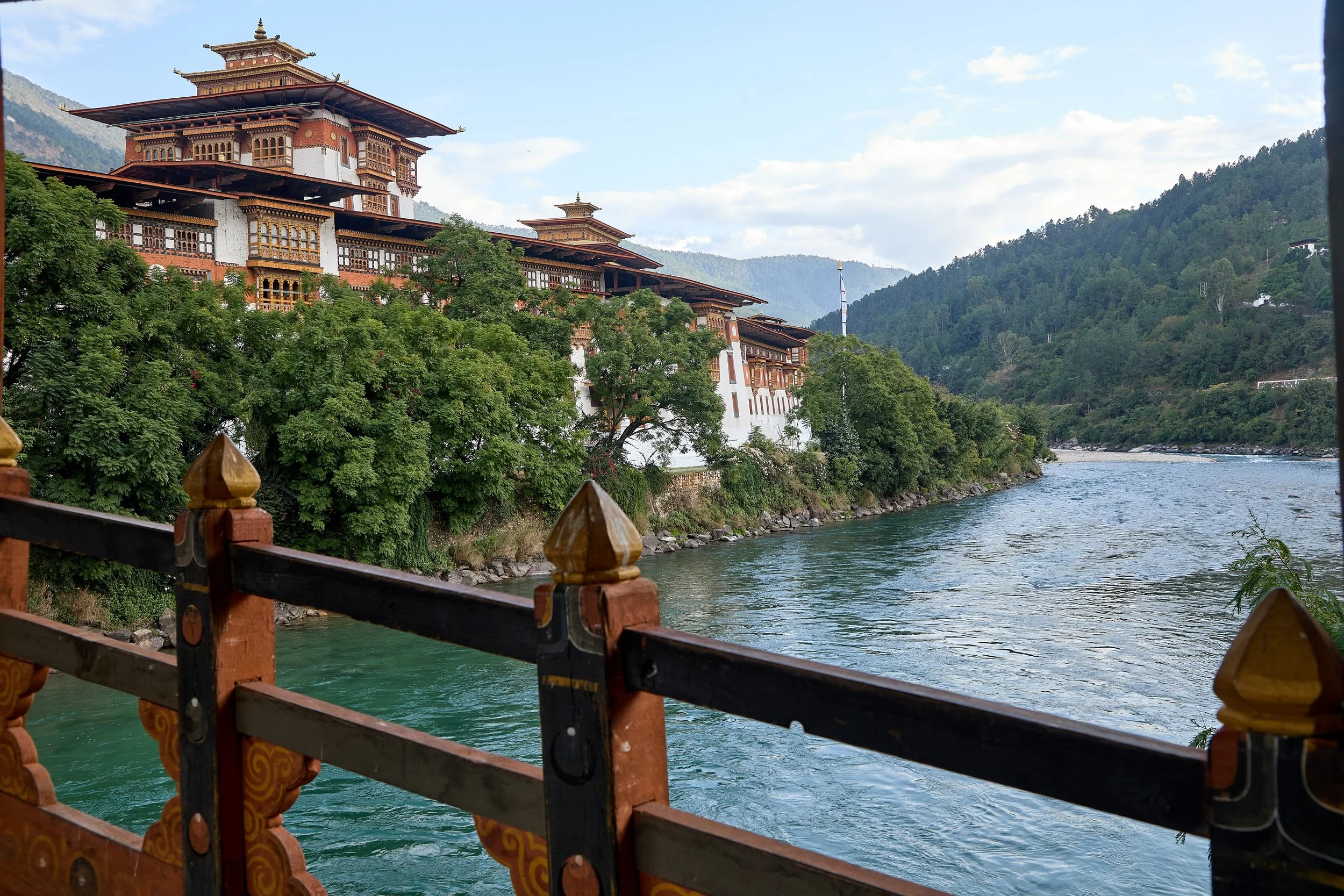
After breakfast we check out of the hotel and drive to the Punakha valley (2.5hrs). Much lower than anywhere else we have so far visited, the climate in the Punakha Valley is sub-tropical and there is an abundance of fruit and flowers, as well as good birdwatching. Framed by jacaranda and bougainvillea trees, the riverside Punakha dzong is one of the iconic sights of Bhutan. Punakha was once the capital of Bhutan and the Punakha dzong, which, poetically, means the fortress of Great Bliss, was built by 1673 by Zhabdrung Ngawang Namgyel (the first spiritual and political leader of Bhutan) to commemorate the defeat of Tibetan invaders. Located on an island between two rivers Pho Chhu and Mo Chhu (literally meaning male and female rivers), the massive dzong is one of the most beautiful and impressive in the country. The building has hosted many significant events in Bhutanese history, such as the crowning of the first king of Bhutan and the wedding ceremony of the current king. Many important religious ceremonies are still held here.
We overnight in a comfortable Punakha valley hotel (option of upgrading to boutique luxury lodge).
Day 10: Thimpu
After breakfast we head down the valley a short way to the Chimi Lhakhang, otherwise known as the fertility temple. The site of the temple is a pleasant 30-minute walk through mustard and paddy fields. Standing on a picturesque hilltop the Lhakhang is visited by couples hoping to conceive. Inside the walls of the Lhakhang are beautiful frescoes depicting the colourful life of 16th Century Lama Drukpa Kuenley. Otherwise known as the Divine Madman, he shocked the Buddhist clergy with his rather controversial methods of Buddhist teaching, which included the consumption of large quantities of alcohol and blessing (a lot of!) women by copulating with them. Needless to say, he quickly became a hit with the average Bhutanese person and he’s still one of the most popular saints in Bhutan today. Those wishing to test out the powers of the temple have to circumnavigate the building while carrying a very large and heavy phallus before being hit over the head with a large wooden phallus.
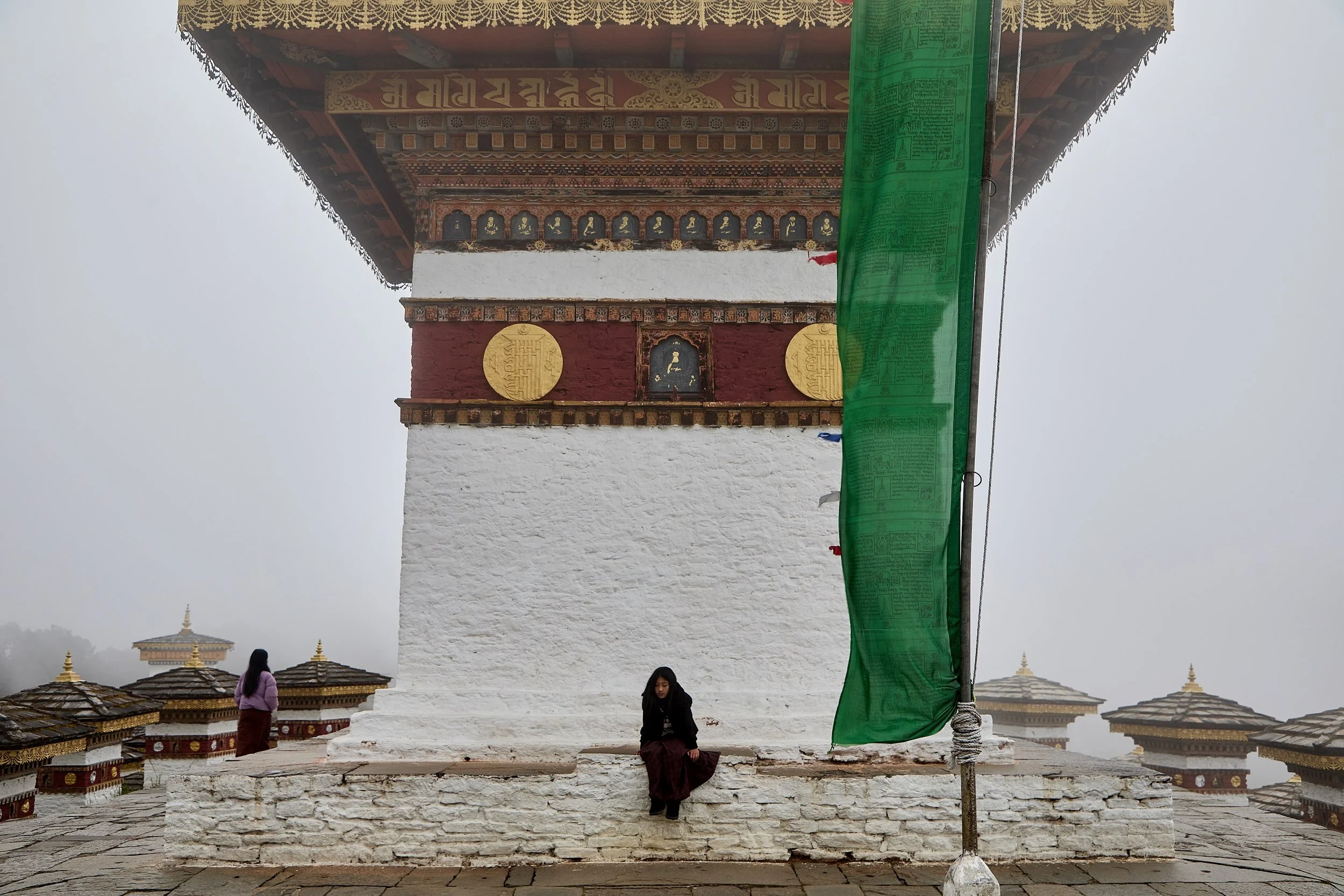
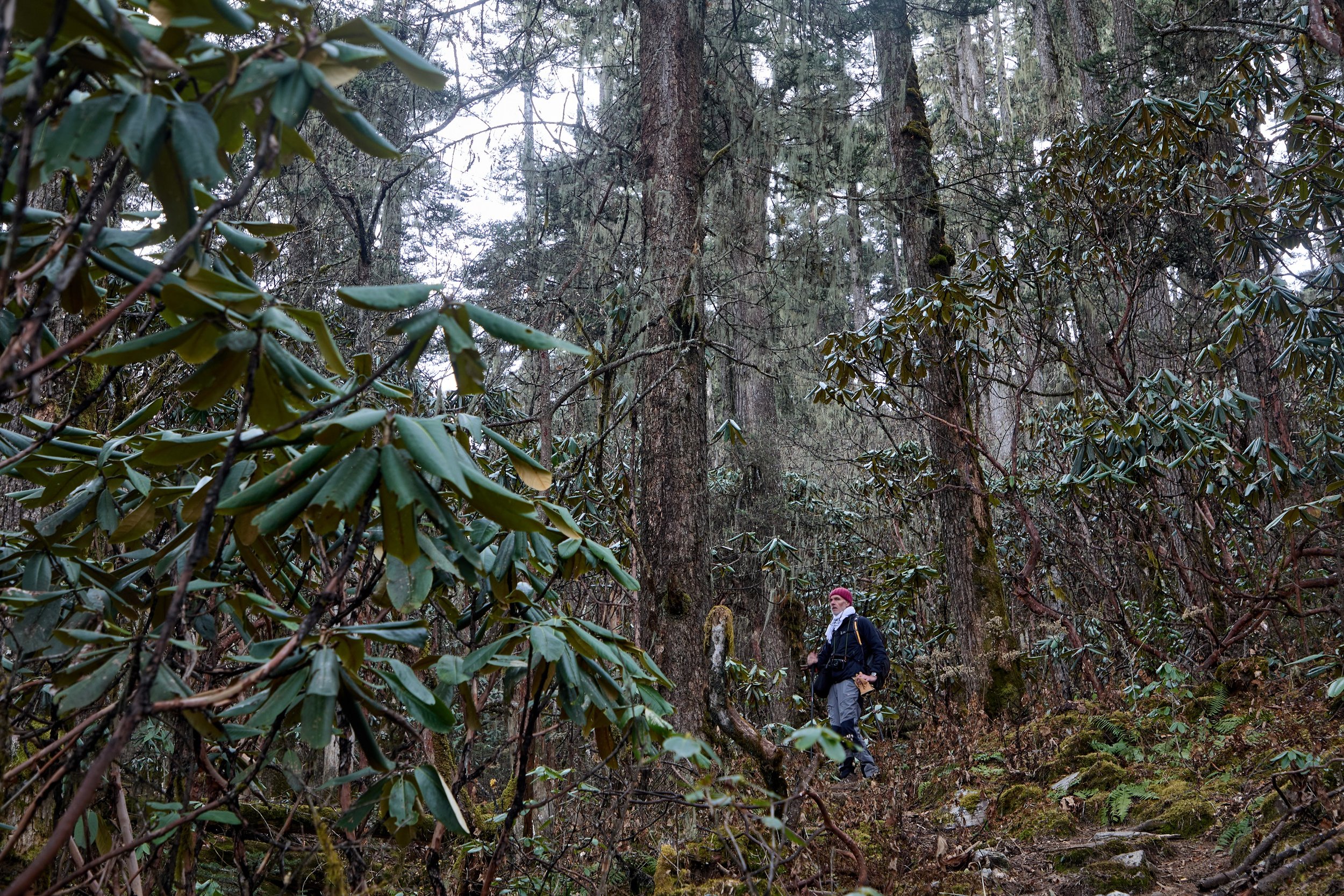
Our bizarre encounter over we pause for lunch before driving to the capital, Thimpu (2hrs). En route we stop over at the Dochu la pass (3100 meters) to enjoy the spectacular views of the snowcapped Himalayan Mountains and explore the 108 stupas here constructed to commemorate the 108 Bhutanese who lost their lives in a brief 2005 war against militants from Assam (India) who has established camps in Bhutan. If time allows, then we will also enjoy a short (3hrs rtn) and easy hike through tangled rhododendron and conifer forests to the remote Lungchutse Goemba which was founded in the 18th Century by religious treasure hunter, Tashi Barwa. The serene and rarely visited goemba is situated on a hill with commanding mountain views and is home to a handful of monks.
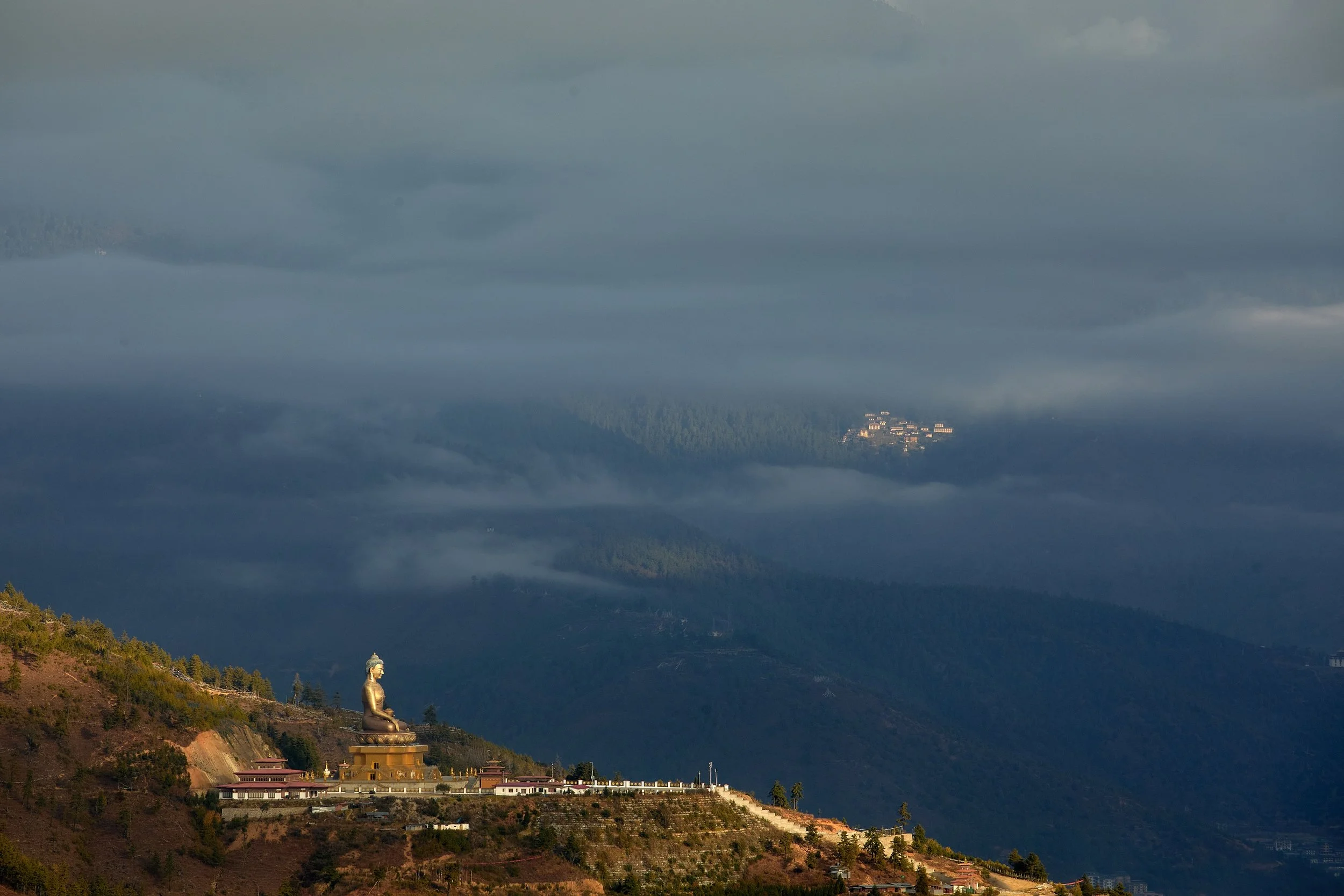
We then descend down into Thimpu where we overnight in a comfortable guresthouse hotel (option of upgrading to boutique luxury lodge).
Day 11: Thimpu
With only one day in Thimpu (extensions possible) we focus on the quieter side of town. We begin the day by heading to the Pangri Zampa, a large 16th Century temple that today houses the College for Astrology. Astrological readings are of great importance to all Bhutanese. Every child is given a life reading shortly after their birth and people visit an astrologer at least once a year and before embarking on any major life event. This college trains up the most talented monks to be astrologers and during a visit you can, if you wish, get your own reading done.
After lunch we set out on a short hike to the hillside Tango Goemba, at the northern end of the Thimpu valley. Founded in the 12th Century (though the current structure is more recent), it’s now a very important Buddhist university. Getting there involves a 45min hike (one-way). Next, we can either walk to the Cheri Goemba on the opposite side of the valley (45min hike) which is one of the oldest monasteries in the country, or we can visit the spectacular 17th Century Trashi Chhoe Dzong. The fortress like structure dominates the Thimpu valley and contains the dragon throne room of the king of Bhutan, the office of the Je-khenpo (chief abbot), and other government agencies. It’s also used as summer residence of the monk body.
Overnight in a comfortable guresthouse hotel (option of upgrading to boutique luxury lodge).
Day 12: Bumdrak Hike
After an early breakfast we drive (2hrs) to the Paro Valley and the Sangchen Choekor Shedra, an 18th Century Buddhist College with several hundred students studying Buddhism and secular studies. Some of these students will likely show us around but equal reward is just taking in the stunning view of the Paro valley. It’s a view that’s made even more impressive when a plane glides right past the collage on its final descent into the main international airport!
After exploring the college, we begin the exciting hike (4-5hrs; moderate) to the incredible cliffside Bumdrak Monastery (3900m). The monastery complex, which is squeezed up against the rock face, is said to be built on the site where 100,000 fairies gathered. For those with the energy you can carry on up above the monastery a short way to a small summit (4200m) with a sky burial site. Traditionally Tibetan Buddhists living in highland areas of the Himalaya are not buried or cremated by their corpses are chopped up and fed to the vultures and crows. There were two reasons for this. The first, and entirely practical one, was because the half frozen, rocky and treeless landscape prevented burials or cremations. The second reason is that it demonstrates the Buddhist belief in the impermanence of the physical body and is a final act of generosity by providing food to birds. Today, sky burials in Bhutan are much less common than they once were but if one is taking place when we visit we should respect the privacy of those in attendance.
After exploring around Bumdrak we will set up our tents and cook dinner under a million stars.
Day 13: Bumdrak-Taktshang Monastery (Tiger Nest) Hike
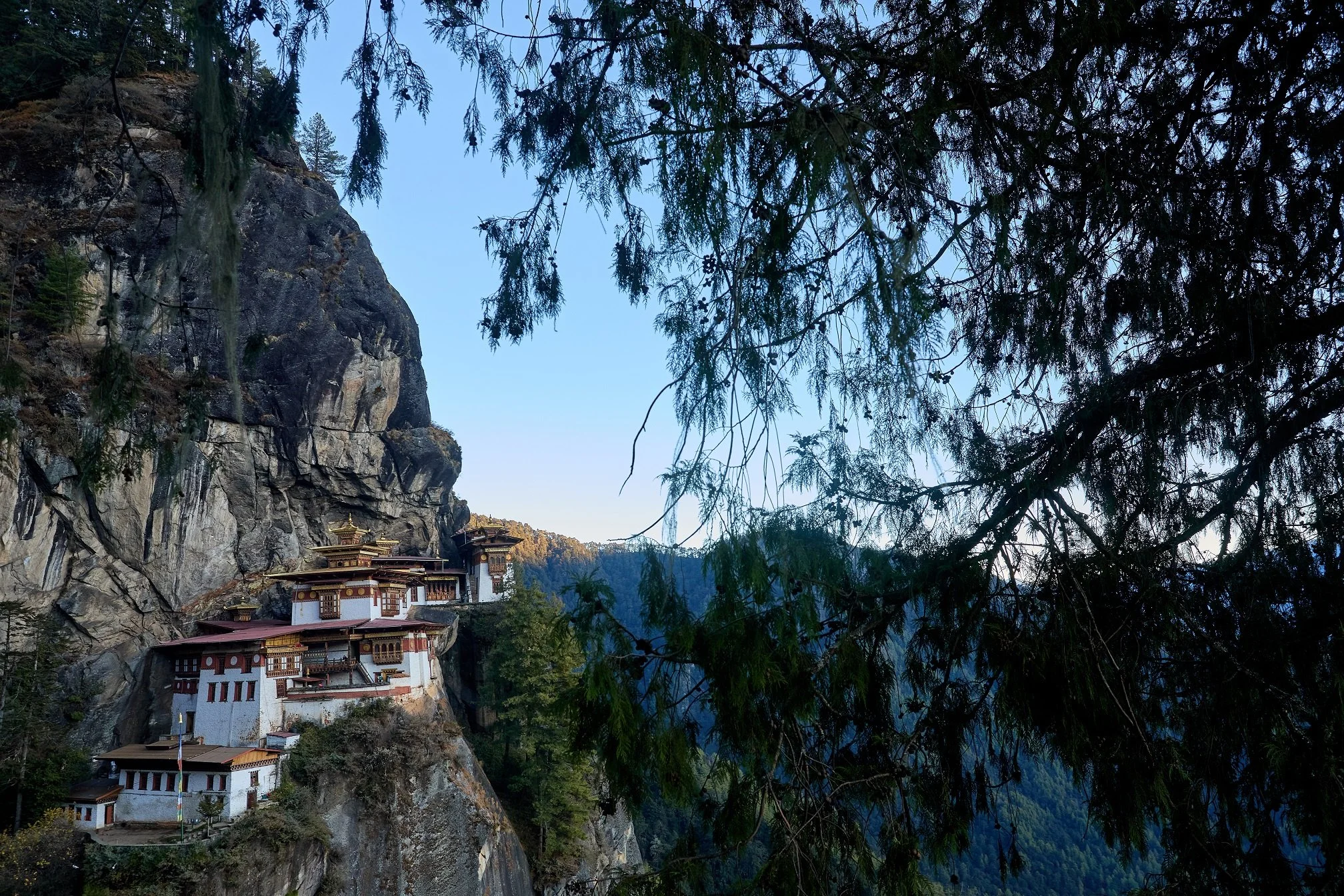
After an early campsite breakfast we hike slowly downhill to the spectacular Taktshang monastery, more commonly known as the Tigers Nest Monastery. Before we get there though our trekking route takes us past a couple of other smaller, little visited chapels filled with the mist of magic. For many people, Taktsang is the reason they came to Bhutan in the first place, and approaching from this angle – far from the crowds following the main trail up to it – offers a unique perspective on it. The 8th Century (much rebuilt since then) cliff ledge monastery plays a big part in Bhutanese culture. This was one of the places where the saint, Guru Rinpoche (Padmasambhava) meditated with his consort Khandro Yeshey Tshogyal. It is believed that Guru flew on a female tigress in pursuit of a demon which he subdued at the site. It is one of the holiest sites in Bhutan and the most important cultural icon of the country
Later in the afternoon we follow the main hiking trail for an hour back to the valley floor from where we drive back to the hotel. Our last dinner is taken at a farmhouse with a traditional Bhutanese meal. You may also appreciate a hot stone bath to sooth hike weary muscles.
Overnight in a Paro hotel (option of upgrading to boutique luxury lodge).
Day 14: Paro
Today, our last day in Bhutan, serves as a lay day in case the flight to the Bumthang Valleys was cancelled due to poor weather. But, don’t worry we have an exciting day lined up for you.
We begin the day with a one-hour drive to the Chele la pass (3988m) where we will set out on a short and easy (two hour) hike to the Kila Nunnery. This large complex, which stretches along the cliff face, consists of several chapels and retreats as well as the nuns accommodation. Many of the nuns here spend long periods of time in meditation or chanting and reading the Buddhist scriptures. Those not in mediation always offer visitors a warm welcome – don’t be surprised if we are invited to sit down and drink tea with the nuns. It’s a great opportunity to learn a little about their lives.
Dropping back down to Paro we will stop at another cliff side chapel complex, Dzongdrakha Goemba. Although this complex is close to Paro and sometimes described as a mini–Tigers Nest, it receives very few foreign visitors - all the better for us. Ninth century Tantric Buddhist master, Guru Rinpoche is said to have battled demons here during his many visits to Bhutan. During our last research visit much of the complex was undergoing renovations but it’s still worth a visit just for the views down towards Paro.
If you prefer an easier day then we can simply visit some of the many monasteries and other sights in and around Paro.
Day 15: Departure
Almost all flights leave Bhutan in the early morning so after an early breakfast your guide and driver will take you to the airport for your flight home or to further adventures in India or Nepal. And, don’t forget that Samgai Journeys offers a range of exciting tours and treks in both of these countries.